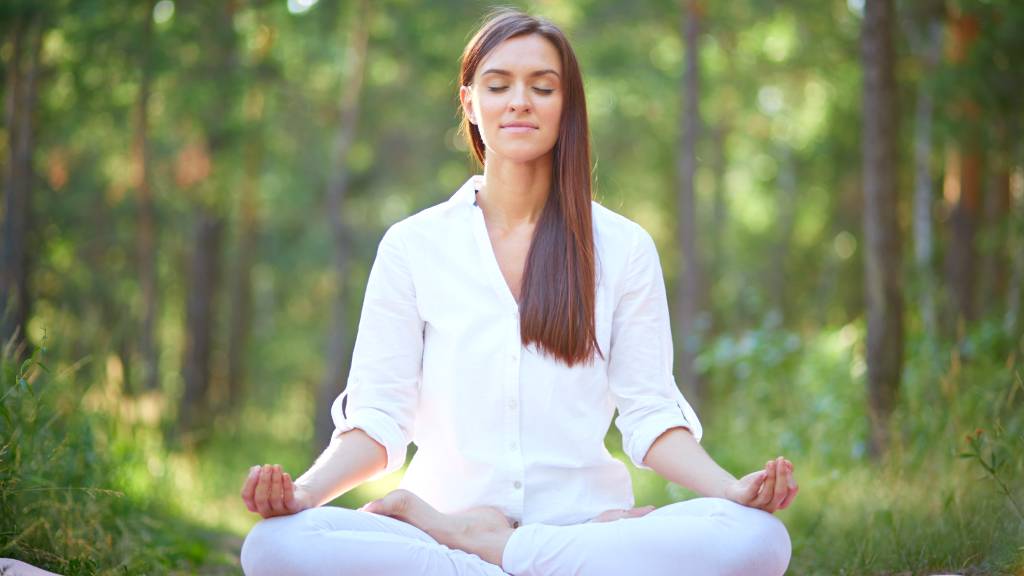
As the body ages, muscle strength slowly reduces. At the same time, joints become sensitive and recovery takes longer. Therefore, middle-aged adults need safe and controlled movement. Yoga offers exactly that. It strengthens muscles gently, improves balance, and protects joints from strain.
As we grow older, muscle strength naturally declines. This change usually begins in middle age. It happens slowly, but steadily. Several factors work together to cause this weakness.
Why Muscles Become Weaker in Middle Age –
First, muscle mass reduces with age. The body produces fewer muscle-building hormones. As a result, muscles shrink if they are not used regularly.
Second, physical activity often decreases. Busy work schedules, stress, and lack of time reduce movement. Therefore, muscles are used less and gradually lose strength.
Third, joint stiffness and minor pain increase. When joints feel tight, people avoid movement. Consequently, muscles around the joints weaken further.
Fourth, poor posture and long sitting hours affect muscle health. Desk work and screen time strain the back, neck, and core. Over time, these muscles lose tone and balance.
Fifth, nutrient absorption slows down. The body may not absorb protein, calcium, and vitamins efficiently. Hence, muscles do not receive enough support to stay strong.
Finally, stress and poor sleep play a role. High stress raises fatigue levels. Lack of sleep slows muscle recovery. As a result, weakness increases.
In short, muscle weakness in middle age is not sudden. It develops due to reduced activity, hormonal changes, lifestyle habits, and poor recovery. However, regular movement, strength-based yoga, proper nutrition, and rest can slow this process and restore muscle health.
Effective yogasanas that support muscle strength
Vajrasana (Thunderbolt Pose)
Vajrasana is simple, yet powerful. It strengthens the thigh and lower leg muscles. At the same time, it supports digestion and posture. Since it is done in a seated position, it is safe for beginners and those with limited flexibility. Practising Vajrasana regularly builds endurance without pressure on the joints.
Vrikshasana (Tree Pose)
Vrikshasana strengthens the legs, ankles, and core muscles. More importantly, it improves balance and coordination, which often decline with age. This pose also enhances focus and stability. As a result, the body becomes stronger and more controlled.
Adho Mukha Svanasana (Downward Facing Dog Pose)
This pose stretches and strengthens the arms, shoulders, back, and legs at the same time. It improves blood circulation and relieves stiffness. Moreover, it helps lengthen the spine and tone the muscles gently. Practised slowly, it builds strength without overloading the body.
Naukasana (Boat Pose)
Naukasana activates the core muscles. It strengthens the abdomen, lower back, and hip muscles. A strong core supports the spine and reduces back pain. However, this pose should be done carefully and held only for a short duration, especially for beginners.
Setu Bandhasana (Bridge Pose)
Setu Bandhasana strengthens the back, glutes, and thigh muscles. It also improves spinal flexibility and posture. In addition, it helps reduce stiffness caused by long hours of sitting. This pose is especially useful for maintaining lower-body strength during midlife.
Savasana (Relaxation Pose)
Savasana allows the body to recover after strengthening poses. It relaxes muscles, calms the nervous system, and reduces stress. Proper relaxation is essential for muscle repair and overall well-being. Therefore, Savasana should never be skipped.
How Often Should You Practice?
Start slowly. Practice three to four times a week. Keep sessions short. Focus on correct posture. Over time, the duration naturally.
Always listen to your body. Comfort is more important than intensity.
Final Thoughts
Yoga is not about force. It is about balance. For middle-aged adults, it offers strength without strain. With regular practice, muscles stay active, joints stay flexible, and the body feels lighter.
Yoga makes strength sustainable. It keeps you moving with ease.