
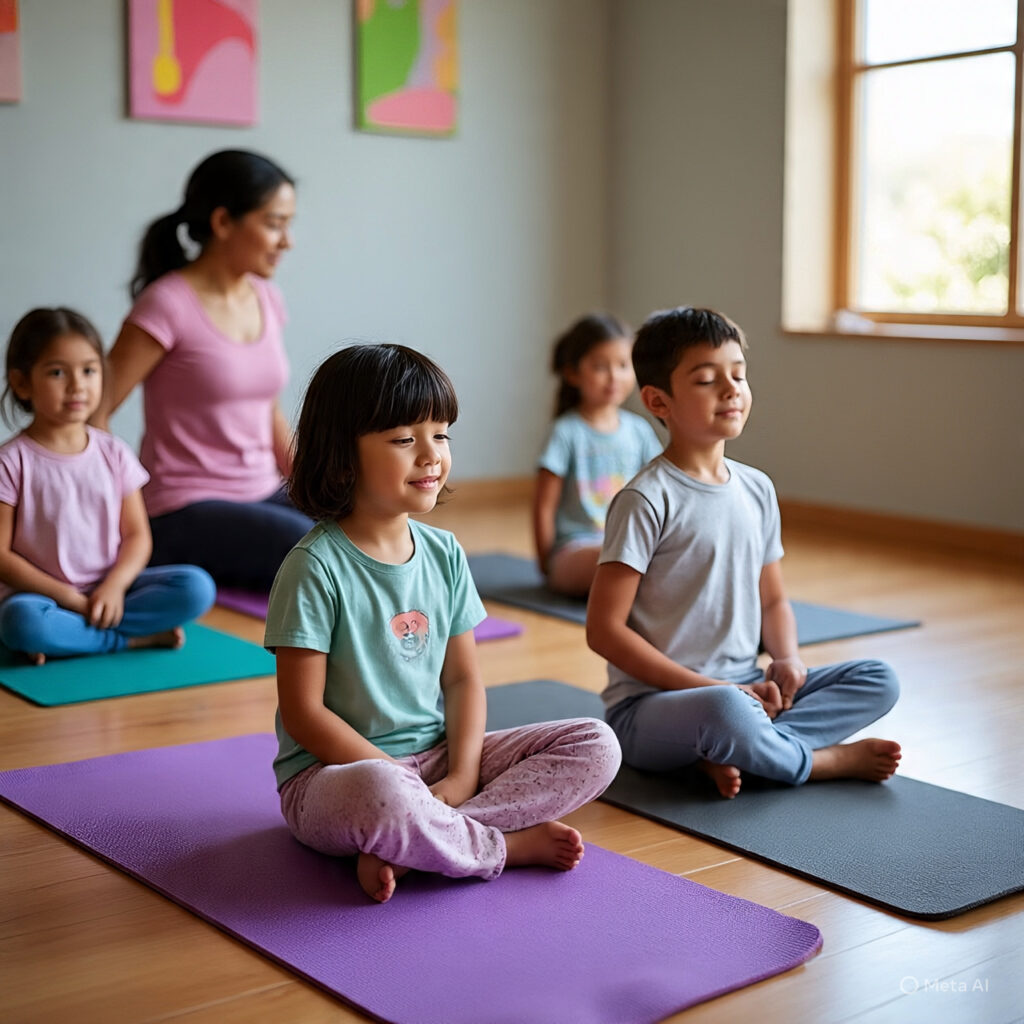
Childhood today is very different from the past. Children face busy schedules, screen exposure, and constant stimulation. As a result, many feel restless, distracted, or stressed. Yoga for kids offers a natural and gentle way to support their physical, mental, and emotional growth.
Yoga is not about strict rules or perfect poses. Instead, it helps children move freely, breathe deeply, and stay aware of their bodies. Over time, this builds balance, confidence, and calmness.
Why Children Need Yoga Today
Modern life affects children more than we realise. School pressure, digital devices, and competition create mental strain. Therefore, children need a healthy outlet to release stress.
Yoga helps children:
-
Slow down and relax
-
Improve focus and attention
-
Build strength and flexibility
-
Manage emotions naturally
As a result, children feel more stable and happy.
Physical Benefits of Yoga for Kids
Yoga supports healthy growth without strain. Gentle movements strengthen muscles and improve posture. At the same time, stretching keeps the body flexible and active.
Regular practice helps to:
-
Improve balance and coordination
-
Strengthen bones and muscles
-
Prevent early fatigue and weakness
-
Support digestion and breathing
Therefore, yoga keeps children physically strong and energetic.
Mental and Emotional Benefits
Yoga teaches children how to breathe calmly and stay present. This directly improves emotional control.
Yoga helps kids:
-
Reduce stress and anxiety
-
Improve concentration and memory
-
Build self-confidence
-
Feel calm and secure
Consequently, children handle challenges with more ease.
Simple Yoga Poses for Children
Kids learn best through simple and playful movements.
-
Child’s Pose relaxes the body and mind
-
Mountain Pose improves posture and awareness
-
Cat–Cow Stretch keeps the spine flexible
-
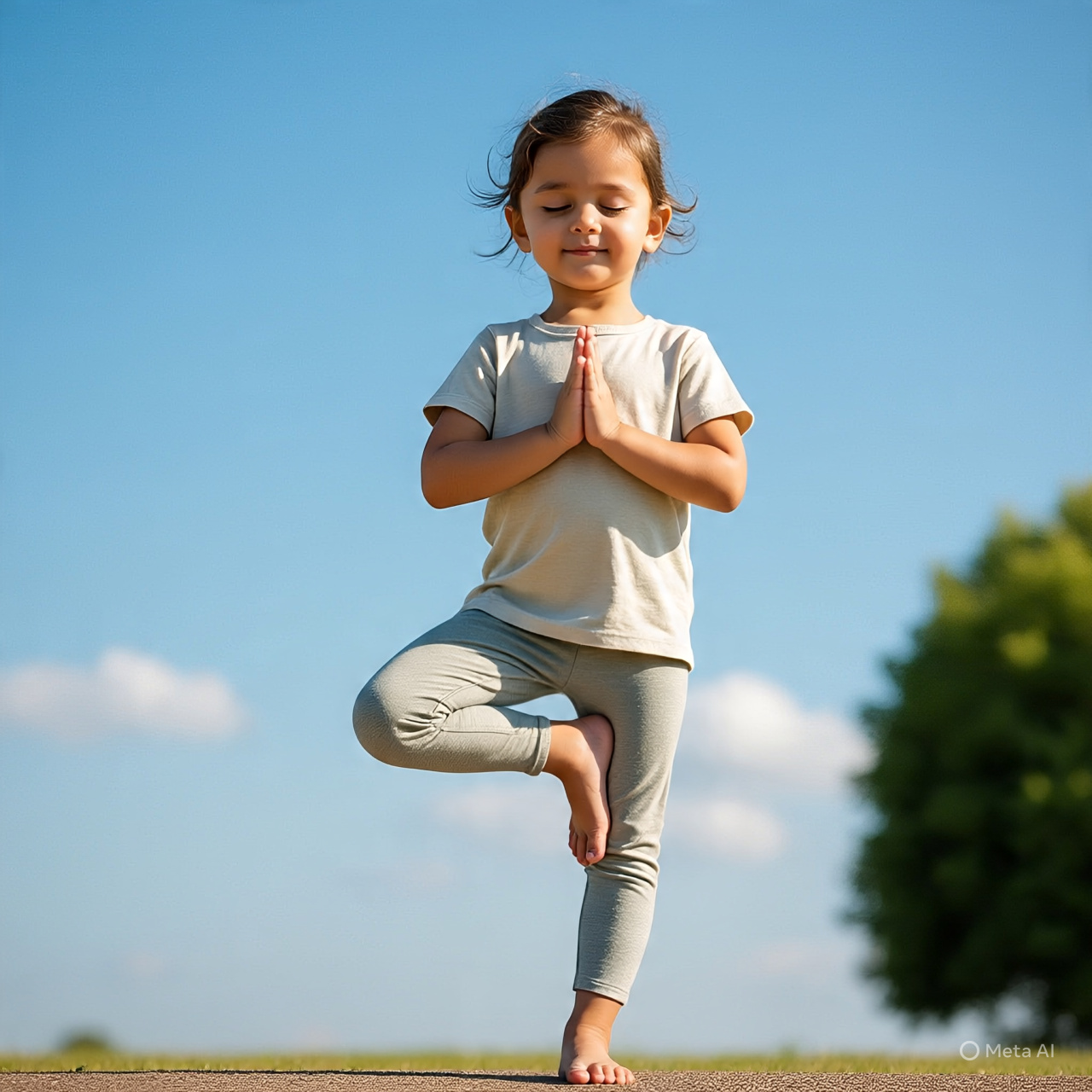
Tree Pose improves balance and focus
-
Simple Sun Salutation energises the whole body
These poses are safe and easy for daily practice.
How Long Should Kids Practice Yoga?
Short sessions work best. 15 to 20 minutes is ideal. Longer sessions may reduce interest. As children grow, duration can increase naturally.
Yoga and Immunity in Children
Yoga supports immunity by reducing stress and improving circulation. A calm body functions better and stays healthier.
Along with yoga, children benefit from:
-
Nutritious food
-
Proper sleep
-
Good hydration
-
Outdoor play and sunlight
Together, these habits help keep illness and weakness away.
Making Yoga Enjoyable at Home
Yoga should feel fun, not forced.
-
Practice together as a family
-
Use stories or animal poses
-
Keep sessions light and playful
-
Encourage, do not pressure
As a result, children look forward to yoga time.
Conclusion
Yoga helps children grow strong, calm, and confident. It supports the body, steadies the mind, and balances emotions. With regular practice, yoga for kids becomes a healthy habit that supports lifelong wellbeing.

