
Yoga for Hormonal Balance in Women: A Natural Path to Wellness
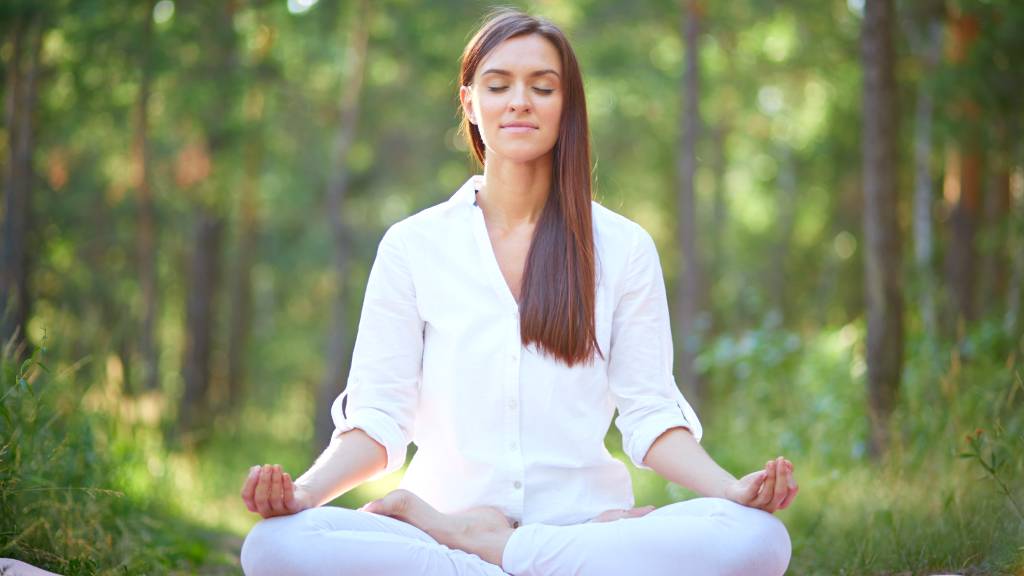
A woman’s health depends greatly on hormonal stability. Hormones control mood, energy, sleep, digestion, weight, and reproductive health. Even small imbalances can affect daily life. Stress, poor sleep, and busy routines often disturb this balance.
Yoga for hormonal balance in women offers a safe and natural way to support the body. Yoga works slowly and gently. It reduces stress. It calms the nervous system. It helps the body regain balance without force or medication. Because of this, yoga is suitable for women at every stage of life.
Why Hormonal Balance Matters for Women
Hormones act as messengers inside the body. When they work in harmony, the body feels stable and energetic. When they do not, symptoms begin to appear.
Common signs of hormonal imbalance in women include:
-
Irregular menstrual cycles
-
Mood swings and anxiety
-
Low energy and fatigue
-
Weight changes
-
Poor sleep and digestion
These symptoms often increase with stress and irregular routines.
Modern Lifestyle and Hormonal Imbalance
Today’s lifestyle places constant pressure on the body. Long work hours. Screen exposure. Irregular meals. Limited recall time. All these increase stress levels.
High stress raises cortisol. Cortisol interferes with estrogen and progesterone. Over time, this affects menstrual health, fertility, and emotional balance.
Guided yoga practices focus on stress reduction and nervous system recovery. This makes yoga an effective solution for modern hormonal challenges.
How Yoga Helps Balance Hormones Naturally
Yoga for women’s health works by restoring internal harmony. It does not push the body. Instead, it supports natural healing.
Regular yoga practice helps to:
-
Calm the nervous system
-
Improve circulation to endocrine glands
-
Reduce stress hormone levels
-
Support emotional balance and awareness
This makes holistic yoga therapy effective for long-term hormonal health.
Effective Yoga Asanas for Hormonal Balance
Gentle postures help stimulate hormonal glands and improve circulation.
Vajrasana (Adamant Pose)
This pose supports digestion and pelvic circulation. It helps reduce stress-related menstrual discomfort.
Sukhasana (Easy Sitting Pose)
This posture calms the mind. It supports brain-hormone communication and emotional stability.
Parvatasana (Seated Mountain Pose)
This pose improves pelvic blood flow. It strengthens support muscles and nerve responses.
Setubandhasana (Bridge Pose)
This gentle backbend supports thyroid and pituitary function. It improves energy and mood.
Bhujangasana (Cobra Pose)
This pose activates the adrenal glands. It improves vitality and reduces fatigue.
These postures are commonly used in AI yoga programs for women because they are safe and effective.
Pranayama and Breath Control for Hormonal Health
Breathing techniques have a direct impact on hormones. Calm breathing signals safety to the nervous system.
Pranayama for hormonal balance includes:
-
Anuloma–Viloma for nervous system balance
-
Brahmari for stress relief and sleep improvement
-
Sheetali for cooling and emotional calm
-
Sitkari for mental relaxation
-
Ujjayi for metabolism and thyroid support
These techniques are often part of AI-based yoga wellness routines.
Lifestyle Support Through Yogic Living
Yoga works best with mindful daily habits. Small changes create long-term results.
Helpful habits include:
-
Fixed sleep and meal times
-
Fresh and balanced food
-
Reduced screen exposure
-
Emotional awareness and rest
Yoga lifestyle plans encourage consistency over intensity.
Who Can Benefit from Yoga for Hormonal Balance
Yoga is suitable for:
-
Working women with stress
-
Women with menstrual irregularities
-
Women during menopause
-
Beginners seeking gentle wellness
-
Anyone looking for natural hormone support
With guidance, yoga is safe and adaptable.
Conclusion
Yoga offers a calm and effective path to hormonal balance. It supports the body. It stabilizes the mind. It works naturally with the body’s rhythm.
With regular practice, guided yoga for hormonal balance helps women build strength, clarity, and long-term well-being.