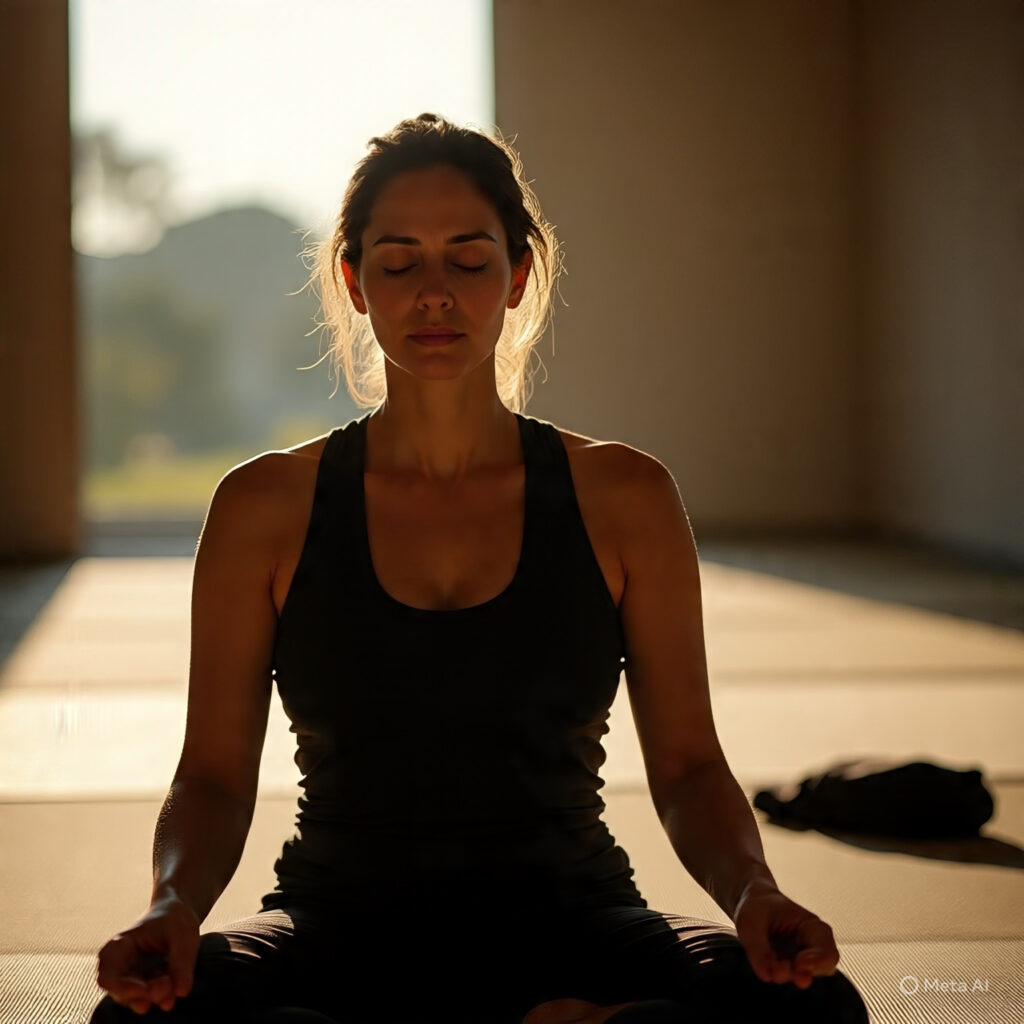
Yoga is not just a form of exercise. It is a way of living. Yoga teaches balance, awareness, and calmness. It helps the body. It supports the mind. It also improves the way we handle daily life.
In today’s fast-paced world, people are overworked. Schedules are packed. Minds are always busy. There is little time to pause and relax. As a result, stress, anxiety, and poor health have become common. Modern food habits and lack of rest further harm both mental and physical health.
Yoga offers a natural solution. Regular yoga practice supports mental health. It helps reduce anxiety and depression. It improves focus and emotional stability. With yoga, people learn to manage both home and office responsibilities without stress or strain.
Meditation helps calm the mind, reduce stress, and create balance between body and thoughts.
Choose a fixed time for practice.
Start with simple, basic poses.
Practice on an empty stomach.
Focus on slow, steady breathing.
Keep sessions short in the beginning.
Use a mat and wear comfortable clothes.
Practice under guidance if possible.
Take rest between poses when needed.
End every session with relaxation.
Yoga Is a Lifestyle, Not Just a Workout
Many people think yoga is only about physical movement. This is a misconception. Yoga includes posture, breathing, awareness, and discipline. Together, these elements help create inner balance.
When yoga becomes part of daily life, it changes the way you respond to pressure. You become calmer. You think clearly. You act with control instead of reaction.
Why Yoga Is Important in the Modern World
Modern life keeps the nervous system in constant alert mode. Deadlines, meetings, emails, and screen time leave little space for rest.
Over time, this leads to:
Mental fatigue
Anxiety and depression
Poor sleep
Body stiffness and low energy
Yoga slows the system down. It relaxes the mind. It restores physical and emotional balance.
Daily 15-Minute Yoga for Busy Professionals
Many professionals feel they have no time for wellness. However, yoga does not require hours.
Daily 15-minute yoga routines are practical and effective. Even a short practice can refresh the body and clear the mind.
With just fifteen minutes a day, you can:
Reduce stress
Improve posture and flexibility
Increase focus and energy
Start the day with calmness
Consistency matters more than duration. A short daily practice gives better results than a long session done occasionally.
Why Short Yoga Routines Work
Short yoga sessions fit easily into busy schedules. You can practice before work, during a break, or in the evening.
Here’s why 15-minute yoga routines are effective:
They are easy to maintain daily
They refresh the mind without exhaustion
They help build discipline and routine
Studies show that even brief yoga practices can lower stress hormones like cortisol and improve concentration.
Important Things to Know Before You Start Yoga
Before beginning yoga, a few basic guidelines are important.
Fix a Regular Time
Choose a time that suits your routine. Morning is ideal, but consistency is more important than timing.
Practice on an Empty Stomach
Yoga should be practiced on an empty stomach or at least four hours after meals.
Learn Under Proper Guidance
Practicing yoga under guidance helps avoid mistakes and injuries. It also ensures correct posture and breathing.
Start Slow
Yoga is not about force. Begin gently. Progress gradually.
Conclusion
Yoga is more than physical fitness. It is a holistic practice for mental, emotional, and physical well-being. In a world full of pressure and distractions, yoga offers stillness and strength.
Even fifteen minutes a day can create lasting change. When practiced regularly and mindfully, yoga becomes a powerful tool for a balanced, stress-free life.