
How Yoga Helps You Sleep Better and Wake Up Refreshed
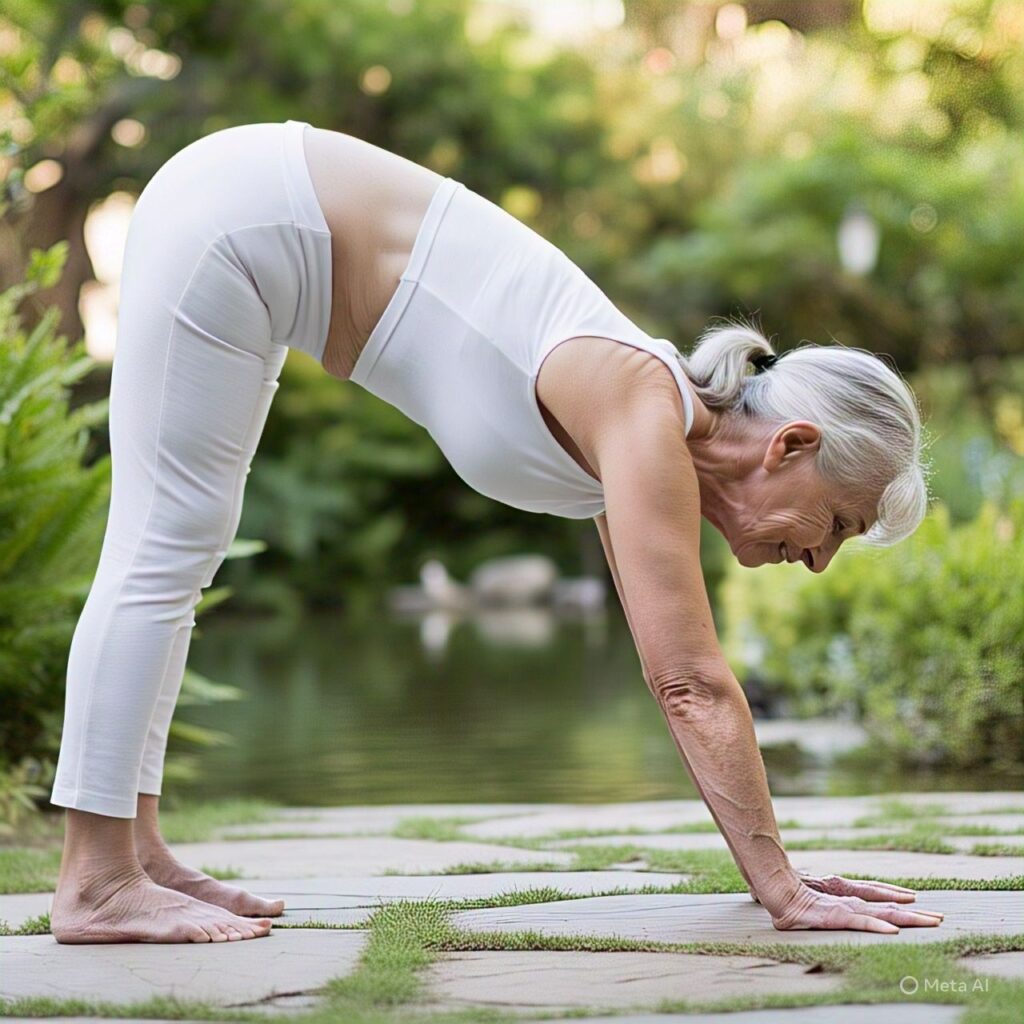
Good sleep is not a luxury. It is a daily need. Yet many people struggle to fall asleep, stay asleep, or wake up feeling fresh. Long work hours, screen time, stress, and poor routines affect sleep quality. Over time, this leads to low energy, body pain, and poor focus. This is where yoga helps—naturally and gently.
Yoga Supports Natural Sleep Cycles
First of all, yoga helps the body slow down. Gentle movement and steady breathing signal the nervous system to relax. As a result, the body shifts from “alert mode” to “rest mode.” This supports the natural sleep–wake rhythm. Unlike sleep medicines, yoga works with the body, not against it.
Reduces Mental Overactivity at Night
Many people lie in bed with racing thoughts. Worries about work, family, or health keep the mind active. Yoga helps calm this mental noise. Slow breathing and mindful movement bring attention to the present moment. Over time, this reduces overthinking. Consequently, the mind becomes quieter at bedtime.
Relieves Physical Discomfort
Body stiffness and joint pain often disturb sleep. Sitting all day or aging can worsen this. Yoga gently stretches muscles and improves joint mobility. It increases blood flow and reduces tension. Therefore, the body feels lighter and more comfortable at night. When the body relaxes, sleep comes easier.
Improves Breathing Quality
Breathing plays a major role in sleep. Shallow breathing increases restlessness. Yoga trains deep, steady breathing. This increases oxygen supply and relaxes the chest and diaphragm. As breathing slows, heart rate also slows. This creates the right condition for deep, restful sleep.
Balances the Nervous System
Modern life keeps the nervous system overstimulated. Yoga helps restore balance. Gentle practices activate the parasympathetic nervous system, also known as the “rest and restore” system. Because of this, the body releases tension and prepares for rest. With regular practice, sleep patterns improve naturally.
Reduces Dependence on Sleep Medication
Many people rely on sleep pills for quick relief. However, long-term use can cause side effects. Yoga offers a safe, long-lasting alternative. With consistent practice, the body learns to relax on its own. Gradually, sleep becomes deeper and more regular without medication.
Enhances Overall Quality of Life
Better sleep improves more than just nighttime rest. It boosts energy, mood, and focus during the day. People who sleep well experience fewer body aches and better digestion. They also feel emotionally balanced. Yoga supports this full-body benefit by improving both physical and mental health.
Helps Older Adults Sleep Better
Sleep problems increase with age. Reduced activity and physical discomfort often disturb sleep in older adults. Yoga is gentle and adaptable, making it suitable for seniors. Regular practice improves flexibility, balance, and breathing. As a result, elderly individuals experience better sleep and improved daily functioning.
Encourages a Healthy Bedtime Routine
Yoga also builds discipline. Practicing at the same time each day creates a calming routine. Evening yoga, in particular, prepares the body for sleep. Over time, the body associates these movements with rest. This makes falling asleep faster and easier.
Simple Ways to Use Yoga for Better Sleep
-
Practice gentle yoga in the evening
-
Focus on slow, deep breathing
-
Avoid intense or fast movements before bed
-
Keep the practice short and calming
-
Stay consistent for lasting results
Final Thoughts
In conclusion, yoga is a natural and effective way to improve sleep quality. It calms the mind, relaxes the body, and balances the nervous system. With regular practice, you can fall asleep faster, sleep more deeply, and wake up refreshed. Yoga does not offer instant magic, but it builds long-term, healthy sleep—one breath and one movement at a time.