
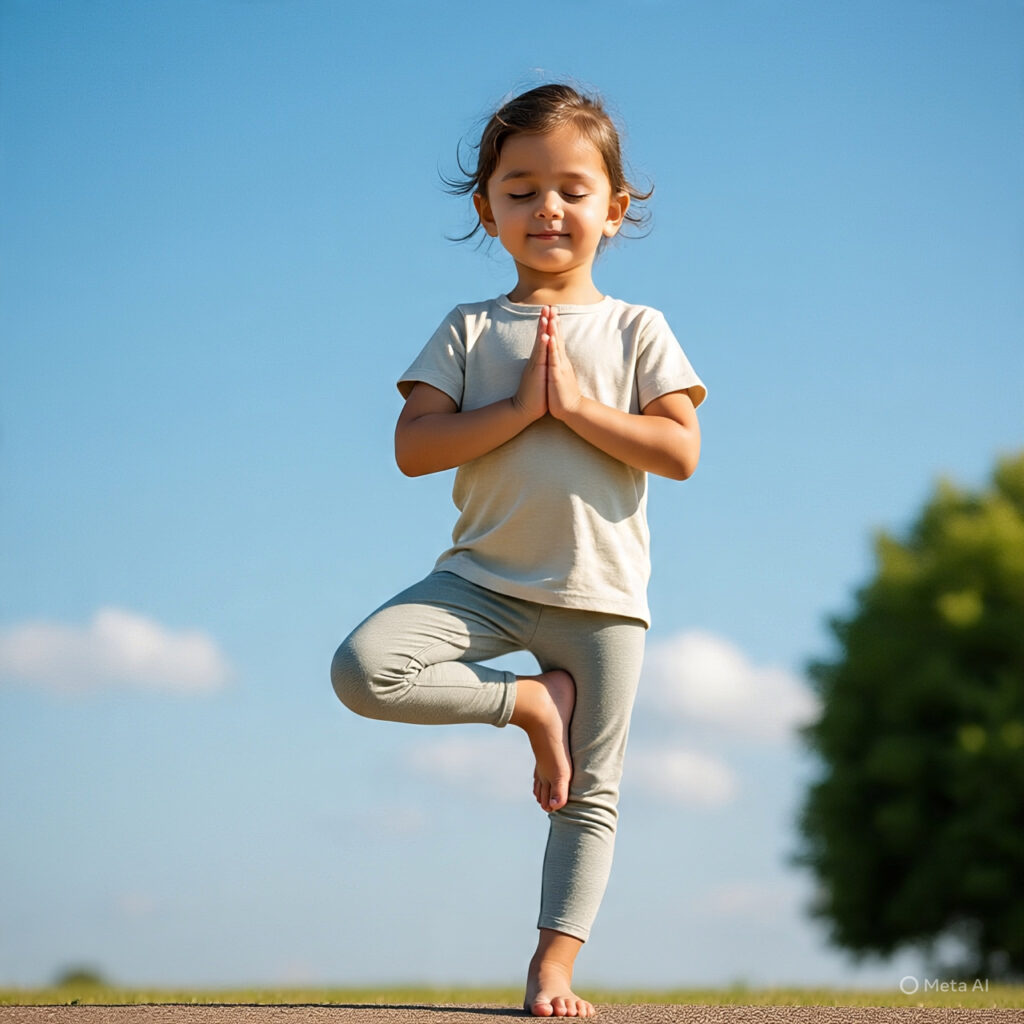
In a fast-moving world filled with screens, deadlines, and constant distractions, staying mentally sharp has become a challenge. Whether you are a student preparing for exams or an adult juggling multiple responsibilities, memory and concentration play a key role in daily success. The good news is that the brain responds positively to simple habits. Yoga postures, mindful relaxation, and small lifestyle changes can significantly improve mental clarity, emotional balance, and focus.
Below are carefully chosen yoga poses and everyday practices that support brain health and help the mind function at its best.
Building Focus Through Balance-Based Yoga Poses
Tree Pose (Vrksasana): Finding Stillness in Motion
Standing on one leg may seem simple, but it demands complete mental presence. Tree Pose encourages grounding and teaches the mind to stay calm even when the body is challenged.
How it helps:
This posture improves body awareness, balance, and mental discipline. Holding the pose while focusing on a fixed point strengthens attention span and reduces mental wandering.
How to practice:
Stand upright and shift weight onto one leg. Place the other foot against the calf or inner thigh, avoiding the knee. Bring your palms together at the chest and gaze steadily ahead. Hold for up to one minute before switching sides.
Eagle Pose (Garudasana): Improving Coordination and Mental Control
Eagle Pose involves wrapping the arms and legs, requiring patience and precision. The complexity of this posture naturally pulls the mind away from distractions.
How it helps:
This pose enhances coordination, sharpens focus, and improves mental alertness. It trains the brain to process multiple movements with control and clarity.
How to practice:
Slightly bend your knees, cross one thigh over the other, and wrap the arms together at chest level. Balance calmly while breathing steadily. Hold briefly, then repeat on the opposite side.
Restorative Poses That Calm the Nervous System
Child’s Pose (Balasana): Resetting the Mind
Mental fatigue often comes from overstimulation. Child’s Pose allows the nervous system to slow down and recover.
How it helps:
This gentle posture reduces stress, eases anxiety, and promotes emotional comfort. A relaxed mind is more capable of learning and memory retention.
How to practice:
Kneel on the floor, sit back on your heels, stretch your arms forward, and rest your forehead on the mat. Stay for a few minutes while breathing deeply.
Corpse Pose (Savasana): Deep Rest for Better Memory
True relaxation is essential for the brain to absorb and store information.
How it helps:
Savasana allows the body and mind to fully rest. This state supports mental recovery, improves concentration, and enhances memory consolidation.
How to practice:
Lie flat on your back with arms and legs relaxed. Close your eyes and observe your breath for five to ten minutes.
Poses That Boost Circulation and Mental Energy
Bridge Pose (Setu Bandhasana): Awakening the Brain
By lifting the hips, Bridge Pose gently stimulates circulation and energizes the nervous system.
How it helps:
Improved blood flow supports oxygen delivery to the brain, helping maintain alertness and mental freshness.
How to practice:
Lie on your back with knees bent and feet grounded. Press the feet into the mat and lift the hips. Hold briefly, then lower slowly.
Seated Forward Bend (Paschimottanasana): Quieting Mental Noise
Forward bends encourage inward focus and calm reflection.
How it helps:
This pose soothes the nervous system, reduces stress, and supports emotional balance—key elements for improved concentration.
How to practice:
Sit with legs extended, lengthen the spine, and gently fold forward from the hips. Breathe slowly and hold for one to two minutes.
Meditation Posture for Mental Clarity
Lotus Pose (Padmasana): Training the Mind to Focus
This classic seated posture supports meditation and controlled breathing.
How it helps:
Sitting tall with a stable base encourages deep breathing and mental stillness. Regular practice improves awareness, attention, and memory.
How to practice:
Sit comfortably with legs crossed or in full lotus if experienced. Keep the spine straight, hands on knees, and focus on slow breathing.
Everyday Habits That Strengthen Brain Power
Yoga works best when paired with healthy daily practices.
-
Stay physically active: Simple activities like walking keep the brain energized.
-
Challenge the mind: Puzzles, reading, or learning new skills stimulate memory.
-
Practice mindfulness: Short meditation sessions improve attention and emotional control.
-
Eat for brain health: Include nuts, fruits, leafy greens, and healthy fats in meals.
-
Get proper rest: Quality sleep is essential for learning and recall.
Simple Yoga Practices to Improve Focus and Calm for Students
1. Candle Gazing Practice (Trataka)
-
Sit in a comfortable cross-legged position.
-
Place a candle at eye level, one arm’s length away, with a steady flame.
-
Relax your face and gently focus on the flame without blinking.
-
If tears form, close your eyes softly and rest.
-
Repeat up to five rounds and end by opening your eyes slowly.
-
Students with high eye power should practise this only under expert guidance.
Benefits:
-
Strengthens eye muscles
-
Improves concentration and memory
-
Enhances mental stability
2. Deep Abdominal Breathing
-
Sit, stand, or lie down comfortably.
-
Place one hand on your abdomen.
-
Inhale slowly and feel the stomach rise.
-
Exhale gently and feel it fall.
-
Repeat five slow, relaxed breaths.
Benefits:
-
Calms the nervous system
-
Reduces stress and exam anxiety
-
Improves mental clarity and energy
3. Vajrasana (Thunder Pose)
-
Kneel and sit back on your heels.
-
Keep your spine straight and shoulders relaxed.
-
Rest your hands on your thighs.
-
Close your eyes and breathe slowly for a few minutes.
Benefits:
-
Improves focus and patience
-
Calms the mind
-
Supports digestion and reduces fatigue
Student Tip
A relaxed mind learns faster. Practising these simple yoga techniques daily can make studying easier, improve focus, and reduce exam stress.
A strong memory is not built overnight. It grows through consistent care, calmness, and mindful movement. Yoga offers a natural and effective way to support the brain while also nurturing emotional well-being. When the mind is relaxed and focused, learning becomes easier, confidence increases, and daily life feels more balanced.