
Yoga and Mindfulness for Better Mental Health
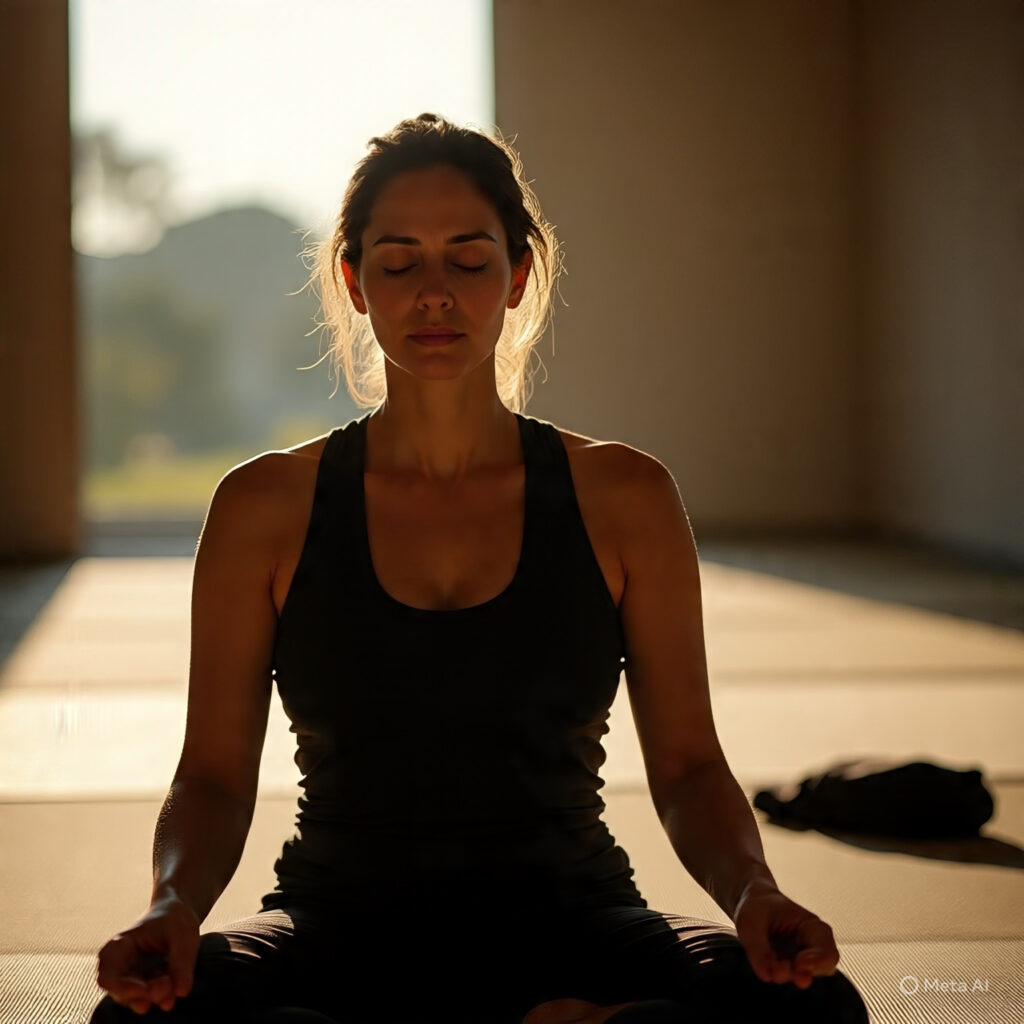
Mental health is just as important as physical health. However, in today’s fast-paced world, the mind rarely gets time to rest. Constant stress, overthinking, and digital overload affect emotional balance and focus. This is where yoga and mindfulness play a powerful role. Together, they help calm the mind, improve awareness, and support long-term mental well-being.
What Is Mindfulness?
Mindfulness means being fully present in the moment. In simple words, it is the practice of paying attention to your thoughts, feelings, and surroundings without judgment. Instead of worrying about the past or future, mindfulness helps you focus on what is happening right now.
For example, when you eat mindfully, you notice the taste, smell, and texture of food. When you breathe mindfully, you feel each inhale and exhale. Over time, this awareness reduces mental noise and emotional stress.
How Yoga and Mindfulness Work Together
Yoga prepares the body, while mindfulness trains the mind. When practiced together, they create balance. Yoga postures release physical tension. At the same time, mindful breathing calms the nervous system. As a result, the mind becomes clearer and more focused.
Moreover, yoga encourages slow movement and steady breathing. This naturally brings attention inward. Therefore, yoga becomes a moving form of mindfulness.
Mental Health Benefits of Yoga and Mindfulness
Reduces Anxiety and Overthinking
Firstly, mindful breathing lowers stress hormones. As breathing slows, the heart rate also reduces. Consequently, anxious thoughts lose their intensity.
Improves Focus and Concentration
Secondly, mindfulness trains the brain to stay present. With regular practice, attention span improves. This helps in work, studies, and daily decision-making.
Supports Emotional Balance
In addition, yoga and mindfulness help you observe emotions without reacting immediately. This creates emotional stability. Over time, mood swings reduce, and patience increases.
Improves Sleep Quality
Furthermore, a calm mind leads to better sleep. Evening yoga combined with mindfulness helps the body relax. As a result, sleep becomes deeper and more refreshing.
Builds Mental Resilience
Most importantly, mindfulness teaches acceptance. You learn to handle challenges without feeling overwhelmed. This strengthens mental resilience and confidence.
How to Practice Mindfulness: Step-by-Step
1. Mindful Breathing
-
Sit comfortably or lie down
-
Close your eyes gently
-
Breathe slowly through your nose
-
Focus on each inhale and exhale
-
Practice for 5–10 minutes daily
This is the simplest way to start mindfulness.
2. Body Awareness
Next, bring attention to your body.
-
Notice sensations in your head, shoulders, and legs
-
Observe tension without trying to change it
-
Let the body relax naturally
This improves the mind–body connection.
3. Mindful Yoga Practice
While performing yoga,
-
Move slowly
-
Coordinate movement with breath
-
Stay aware of each posture
As a result, yoga becomes more effective for mental health.
4. Mindful Daily Activities
Mindfulness is not limited to yoga mats.
-
Walk mindfully
-
Eat without distractions
-
Listen fully during conversations
Thus, mindfulness becomes part of daily life.
How Often Should You Practice?
For best results, practice yoga and mindfulness at least 4–5 days a week. Even 15–20 minutes daily can make a noticeable difference. Consistency is more important than duration.
Why Yoga and Mindfulness Are Better Than Quick Fixes
Unlike instant stress-relief methods, yoga and mindfulness create long-term mental strength. They do not suppress emotions. Instead, they help you understand and manage them. Therefore, the benefits last longer and grow with time.
Final Thoughts
In conclusion, yoga and mindfulness offer a natural path to better mental health. They reduce anxiety, improve focus, and bring emotional balance. Most importantly, they teach you how to stay calm in a busy world. With regular practice, mental clarity and inner peace become a daily experience—not a rare moment.