Yoga is a complete system of wellbeing. It works on the body, guides the breath, steadies the mind, and nurtures emotional balance. In a world driven by speed and pressure, yoga offers a calm and natural way to restore harmony.
Rather than focusing only on fitness, yoga helps people understand themselves better. Over time, it creates balance in daily living and improves overall quality of life.
Yoga Beyond Physical Practice
Yoga is not limited to stretching or exercise. It is a way to connect inner awareness with outer action. Through mindful movement, conscious breathing, and stillness, yoga teaches how to live with clarity and balance.
Therefore, yoga becomes part of everyday habits. It influences how we eat, sleep, work, and respond to stress.
Pranayama and Holistic Wellness – Key Points
Balances Body and Mind Pranayama regulates breathing and calms the nervous system. As a result, physical and mental balance improves.
Reduces Stress and Anxiety Slow, mindful breathing lowers stress hormones. Therefore, the mind feels relaxed and steady.
Improves Energy and Circulation Pranayama increases oxygen flow and vitality. Hence, fatigue reduces and energy levels rise.
Supports Emotional Stability Controlled breathing helps manage emotions. Consequently, reactions become calmer and more mindful.
Enhances Overall Wellbeing With regular practice, pranayama supports digestion, sleep, focus, and inner harmony.
The Holistic View of Human Health
Yoga understands that health exists on many levels. The body, breath, mind, emotions, and inner awareness are deeply connected. When one level is disturbed, others are affected.
Yoga helps align these levels gently. As a result, wellness becomes stable and long-lasting, not temporary.
5 gentle and effective yoga asanas that support holistic wellness
1. Tadasana (Mountain Pose)
This posture improves posture and body awareness. It strengthens the legs and spine while calming the mind. As a result, it builds stability and focus.
2. Vajrasana (Thunderbolt Pose)
This seated posture supports digestion and helps regulate breathing. It also promotes mental stillness. Therefore, it is ideal for relaxation and mindful awareness.
3. Bhujangasana (Cobra Pose)
This gentle backbend strengthens the spine and opens the chest. It improves circulation and reduces fatigue. As a result, energy levels increase.
4. Shashankasana (Child’s Pose)
This pose deeply relaxes the nervous system. It releases stress from the back and shoulders. Hence, it supports emotional calm and mental rest.
5. Shavasana (Corpse Pose)
This is the final relaxation pose. It allows the body and mind to absorb the benefits of practice. Therefore, it is essential for complete relaxation and recovery.
These asanas, when practised regularly with calm breathing, support holistic health, improve inner balance, and encourage long-term wellbeing.
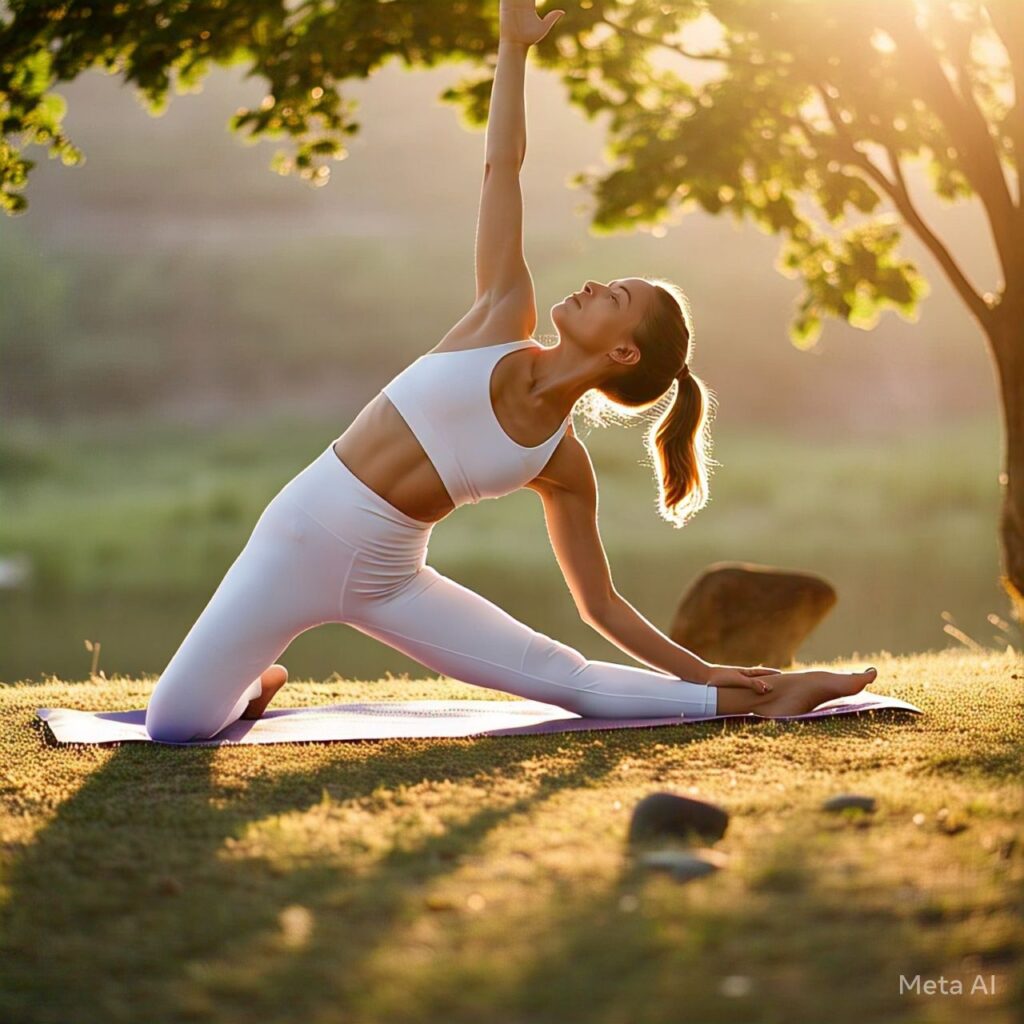
“Embrace balance and inner peace with this calming yoga pose.”
Physical Health Benefits of Yoga
The body is the foundation of wellbeing. Yoga strengthens this foundation without strain.
Regular yoga practice:
Improves flexibility and joint mobility
Builds lean muscle strength
Supports posture and spinal health
Reduces body stiffness and fatigue
Unlike intense workouts, yoga respects the body’s limits. Therefore, it is safe and effective for long-term health.
Improving Immunity and Vitality
Stress weakens the body’s natural defence system. Yoga reduces stress and improves circulation. As a result, the body heals better.
Gentle movements, breathing techniques, and relaxation support digestion and detoxification. This directly improves immunity and energy levels.
Mental Clarity Through Yoga
Mental overload is common in modern life. Constant thinking drains focus and clarity.
Yoga slows the mind. Breath awareness calms the nervous system. Gradually, mental clutter reduces.
With regular practice:
Focus improves
Decision-making becomes clearer
Memory strengthens
Thus, yoga supports better mental performance.
Emotional Balance and Inner Stability
Yoga helps people observe emotions without being controlled by them. This awareness brings emotional maturity.
Through steady practice, yoga:
Reduces anxiety and emotional tension
Improves mood stability
Builds patience and resilience
As a result, individuals respond calmly instead of reacting impulsively.
Better Sleep and Recovery
Poor sleep affects both physical and mental health. Yoga prepares the body for rest.
Slow stretches and calming breathing relax the nervous system. Therefore, sleep becomes deeper and more refreshing.
Consistent yoga practice improves sleep quality and recovery.
Yoga as a Lifestyle Practice
Yoga does not end on the mat. Its benefits appear in daily life.
People who practise yoga regularly experience:
Better stress management
Balanced energy levels
Improved self-awareness
Greater emotional control
Yoga teaches how to live with ease and mindfulness.
Conclusion
Yoga is a natural path to holistic wellness. It strengthens the body, clears the mind, and stabilises emotions. It does not force change. Instead, it encourages balance through awareness and consistency.