
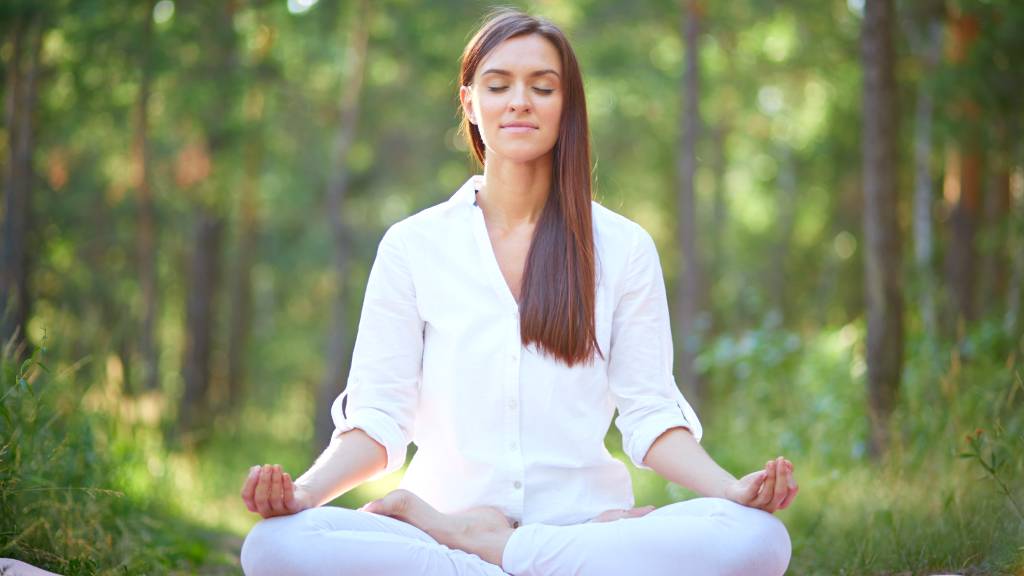
In today’s fast-moving world, mental stress has become part of daily life. Whether at home, in the office, or even while driving through traffic, the mind is rarely at rest. Constant pressure, screen exposure, noise, and deadlines slowly affect mental health. As a result, many people experience stress, anxiety, poor sleep, irritation, and emotional fatigue.
Yoga for mental health offers a natural and practical solution. It helps calm the mind, relax the body, and restore emotional balance without medication or force.
Mental Stress in Everyday Life
Mental strain does not come from one source alone. It builds up through daily routines.
At home, responsibilities and lack of personal time create emotional pressure.
At work, targets, meetings, and job insecurity increase anxiety.
While driving, traffic congestion and noise cause frustration and anger.
Over time, this continuous stimulation overwhelms the nervous system. Yoga helps break this cycle.
How Yoga Supports Mental Wellbeing
Yoga works by calming the nervous system and slowing mental activity. It shifts the body from stress mode to relaxation mode.
Regular yoga practice helps to:
-
Reduce stress and anxiety
-
Improve emotional control
-
Increase mental clarity and focus
-
Support better sleep
-
Reduce irritability and burnout
Because yoga combines movement, breathing, and awareness, it treats mental health in a complete and balanced way.
Yoga at Home: Finding Inner Calm
At home, yoga creates a quiet space for self-care. Even 15 minutes of gentle practice helps release emotional tension built up during the day.
Simple stretches and slow breathing relax the body. Meditation improves emotional awareness. As a result, the mind becomes calmer and more patient.
Yoga in the Workplace: Managing Pressure Better
Work-related stress is one of the biggest mental health challenges today. Yoga for office stress helps employees stay calm, focused, and productive.
Yoga at work:
-
Reduces mental fatigue
-
Improves concentration
-
Prevents emotional exhaustion
-
Encourages calm decision-making
Short yoga breaks or breathing exercises help professionals reset during busy schedules.
Yoga and Stress While Driving
Driving often triggers anxiety and anger due to traffic and delays. Although yoga is not practiced while driving, regular yoga training improves emotional response.
Yoga helps drivers:
-
Stay calm in traffic
-
Reduce impulsive reactions
-
Improve patience and focus
Breath awareness learned through yoga helps control stress even in challenging situations.
Effective Yoga Practices for Mental Health
Some practices are especially beneficial for stress and anxiety:
-
Child’s Pose – deeply calming and grounding
-
Seated Forward Bend – releases mental tension
-
Cat–Cow Stretch – relaxes the spine and nervous system
-
Alternate Nostril Breathing – balances emotions
-
Humming Breath – reduces anxiety and restlessness
-
Short Meditation – improves clarity and emotional stability
These practices are gentle and suitable for all age groups.
Yoga as a Daily Mental Health Tool
Yoga is not limited to the mat. It teaches awareness, patience, and emotional balance. With regular practice, people respond better to stress instead of reacting impulsively.
Over time, yoga builds inner strength. It helps people stay calm at home, focused at work, and composed in everyday situations.
Conclusion
Mental health needs daily care. Yoga for mental health offers a simple, natural, and effective way to manage stress and anxiety in modern life. Whether at home, at work, or on the road, yoga helps bring calm, clarity, and emotional balance. Practiced consistently, yoga becomes a powerful support for a peaceful and resilient mind.

